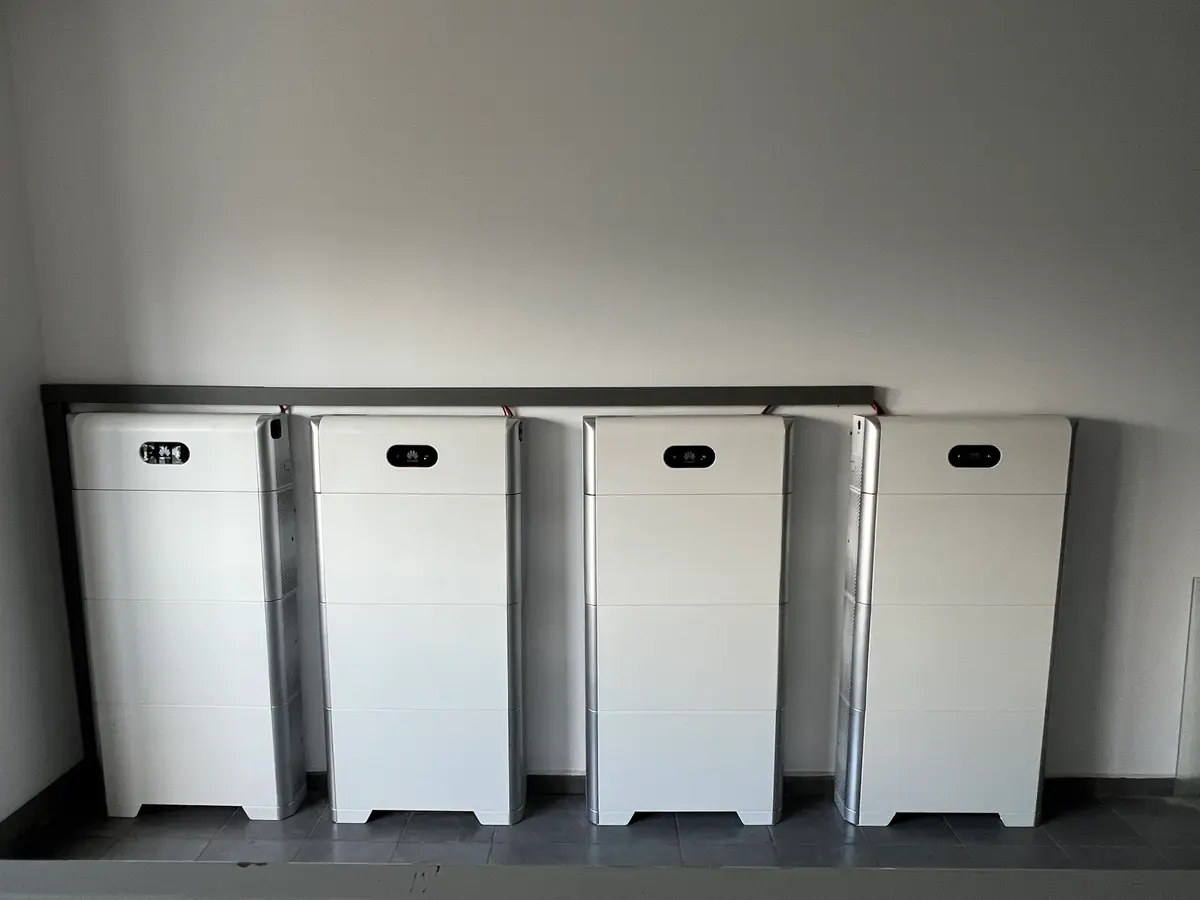

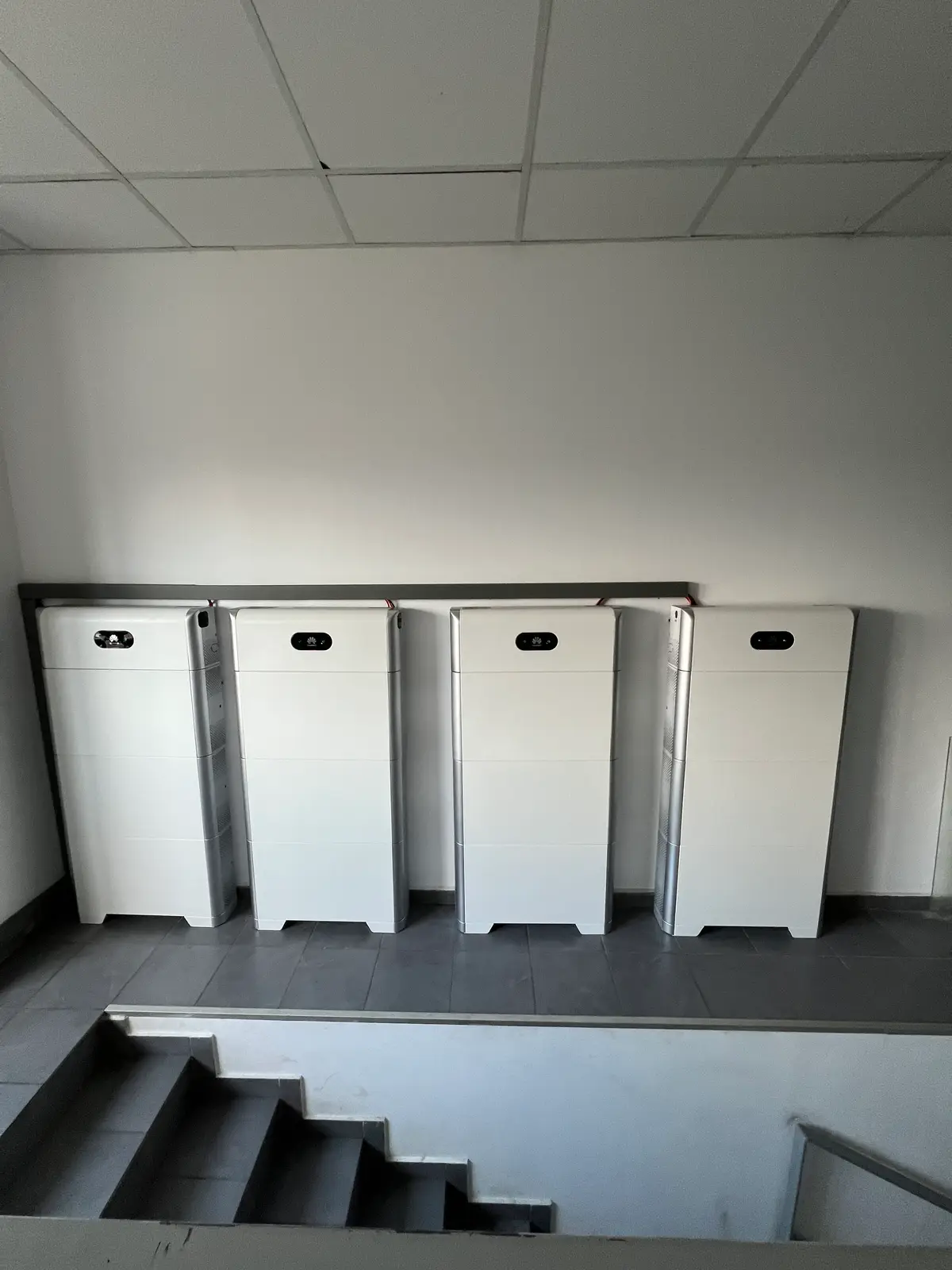
This question often comes up after a storage system has been bought, although it should be asked before. A battery connected to a solar plant does not automatically mean backup power.
Three different technical objectives
Self-consumption: the battery stores solar surplus and uses it later. Peak shaving: the battery temporarily reduces the power drawn at peak times. Backup: the system keeps certain loads supplied when the grid fails. Backup requires a compatible control architecture, protection and isolation.
What must be decided before sizing
Do not only ask "how many kWh does the battery have?". Ask which loads must be kept running, what power they draw at start-up, how long they need to be supplied and whether an interruption of a few seconds is acceptable. A server, a control system and an industrial motor have different requirements.
Why we do not choose backup for the whole factory by reflex
Sometimes it makes sense to separate critical circuits from ordinary loads. That way the inverter power, battery capacity and switching system can be matched to a real need instead of being oversized for an imprecise goal.
What should be checked at acceptance
- The electrical diagram for grid-connected and off-grid operation.
- The compatibility of inverters, batteries and the transfer system.
- Switching time and load limits.
- The battery energy reserve strategy.
- The testing procedure and periodic maintenance.
Conclusion: backup is not a marketing promise but a function that is designed and tested. Define it clearly in the technical offer.