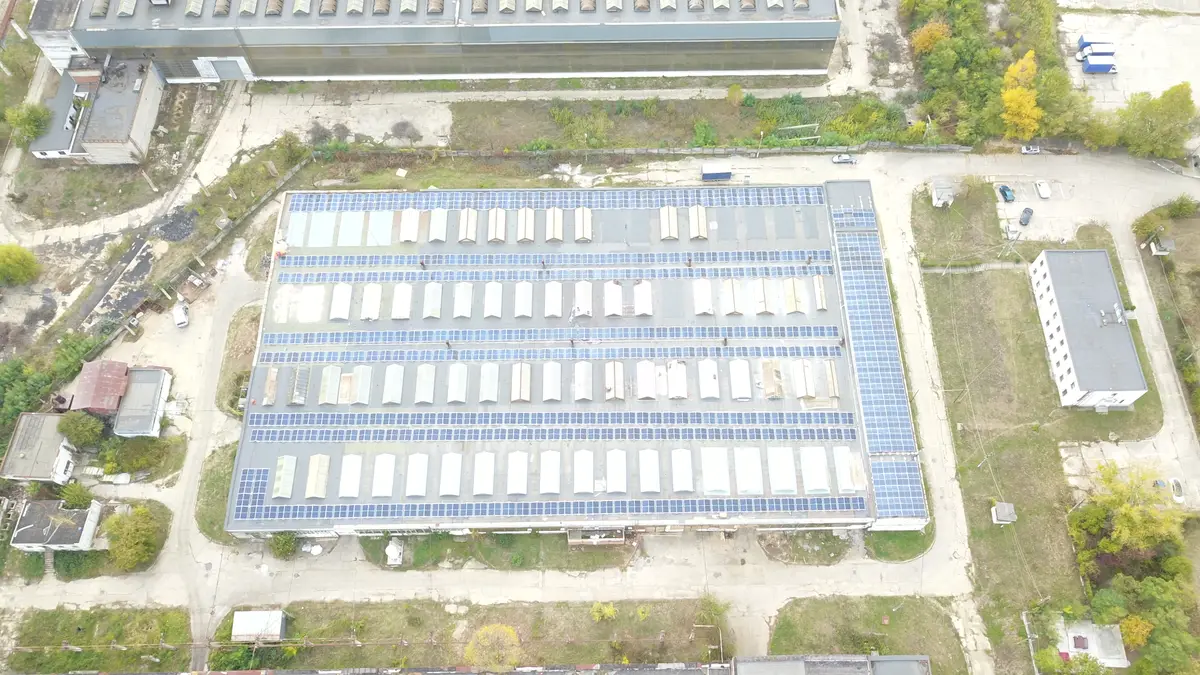

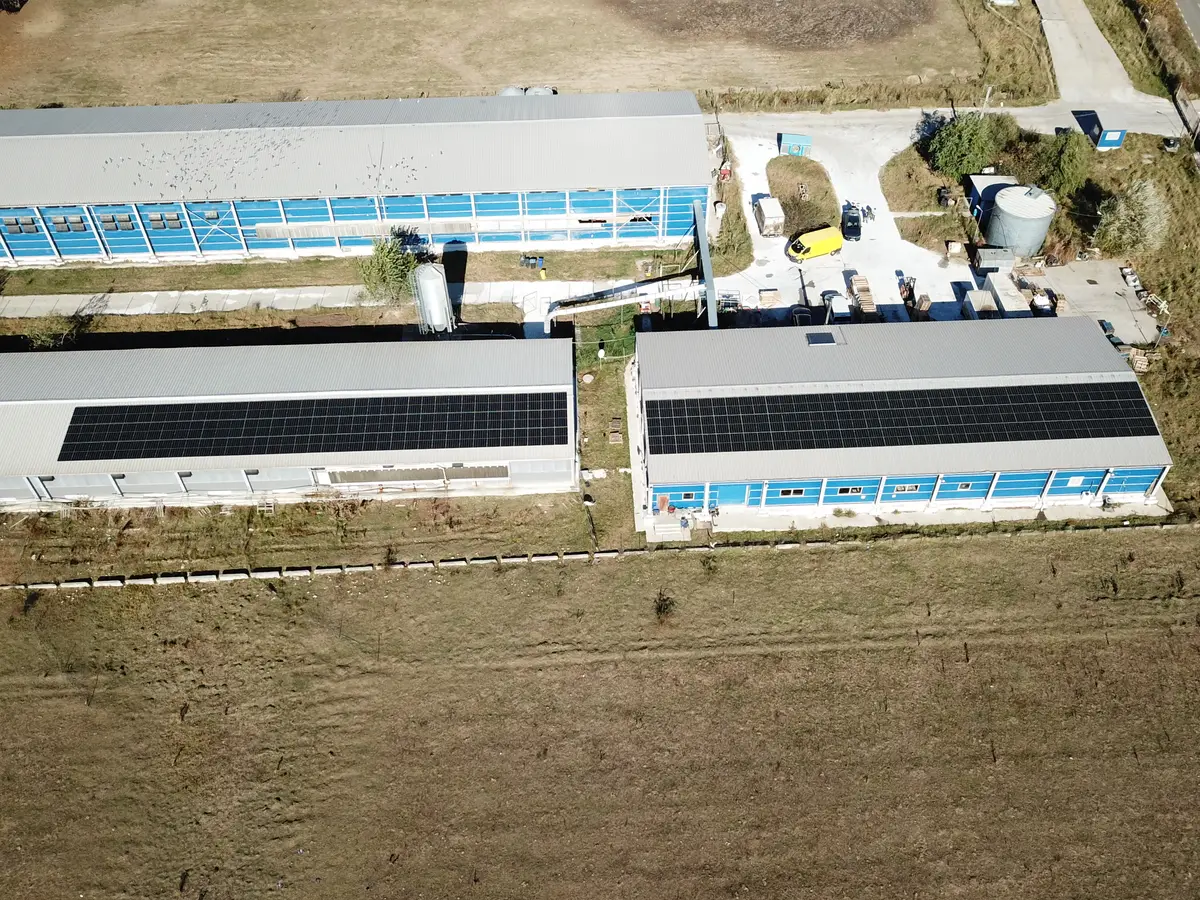
A solar system on the same roof can deliver different economic results depending on the rhythm of operations. In industry, the working schedule matters as much as the capacity of the panels.
One shift: a good match, but watch the weekends
A factory active mainly between 08:00 and 17:00 can use a large share of the energy produced directly. However, days off, planned shutdowns and technological breaks can create surplus. That is why average annual consumption does not describe the situation well enough.
Two shifts: more consumption outside solar hours
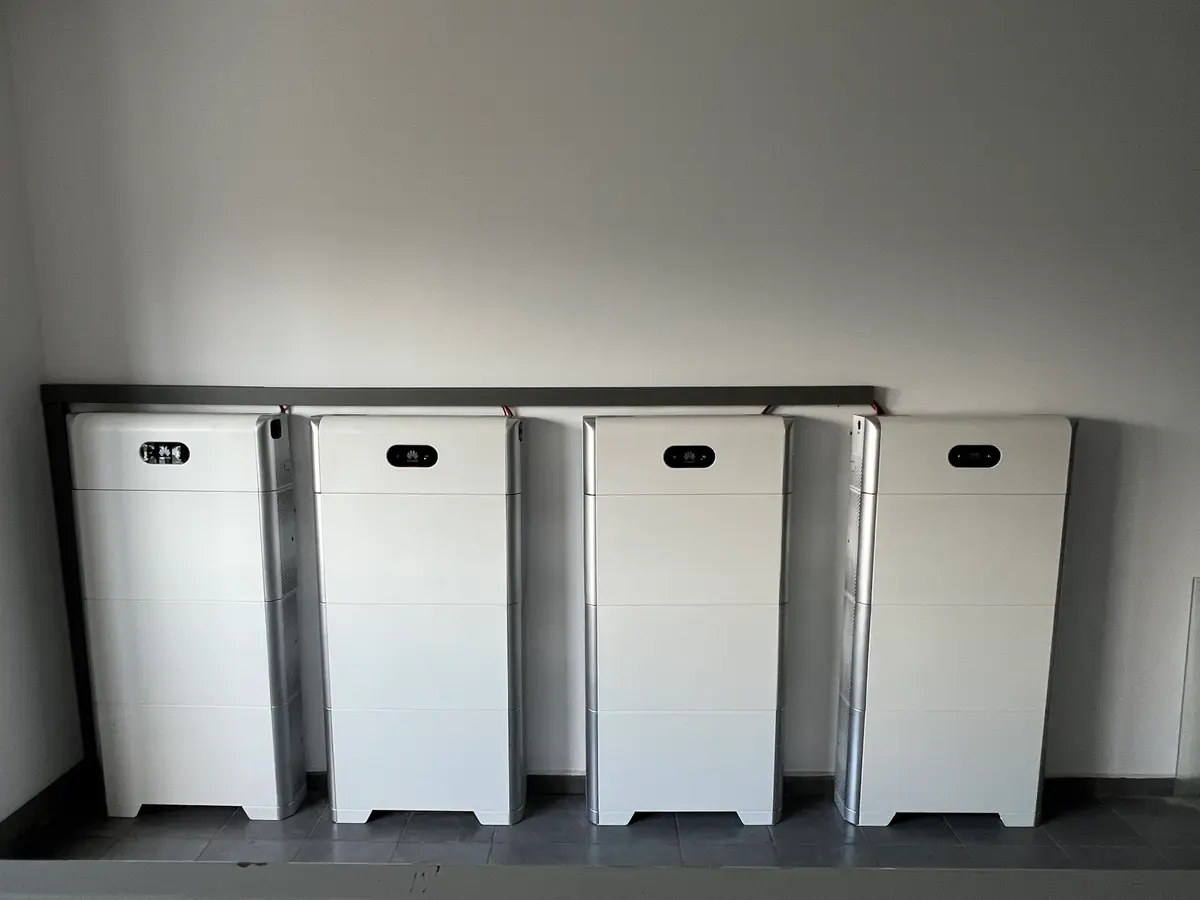
In this configuration the plant keeps reducing grid consumption during the day, and a battery can be considered for moving part of the surplus to the evening shift. But a BESS needs a justified charge and discharge cycle; installing one does not guarantee a faster payback.
Three shifts: do not assume a battery is mandatory
24/7 factories often have a good base load for self-consumption. A plant sized around that base load can work very efficiently without storage. A BESS may be useful for other objectives, such as power peaks or the continuity of certain circuits, but these must be assessed separately.
The data that make the difference
- The load curve at hourly or 15-minute intervals.
- The schedule by day, public holidays and seasonality of production.
- Power peaks and machine start-ups.
- The energy tariff, any capacity charges and the rules for valuing surplus.
How we decide
We model at least two solar capacity scenarios and, if there is useful surplus, a BESS scenario. We compare the energy used directly, the energy shifted in time, the investment cost, maintenance and the impact on cash flow.
A simple question to start with: what are the five largest electrical loads in the factory, and when do they run? The answer can be more valuable than a long list of equipment.