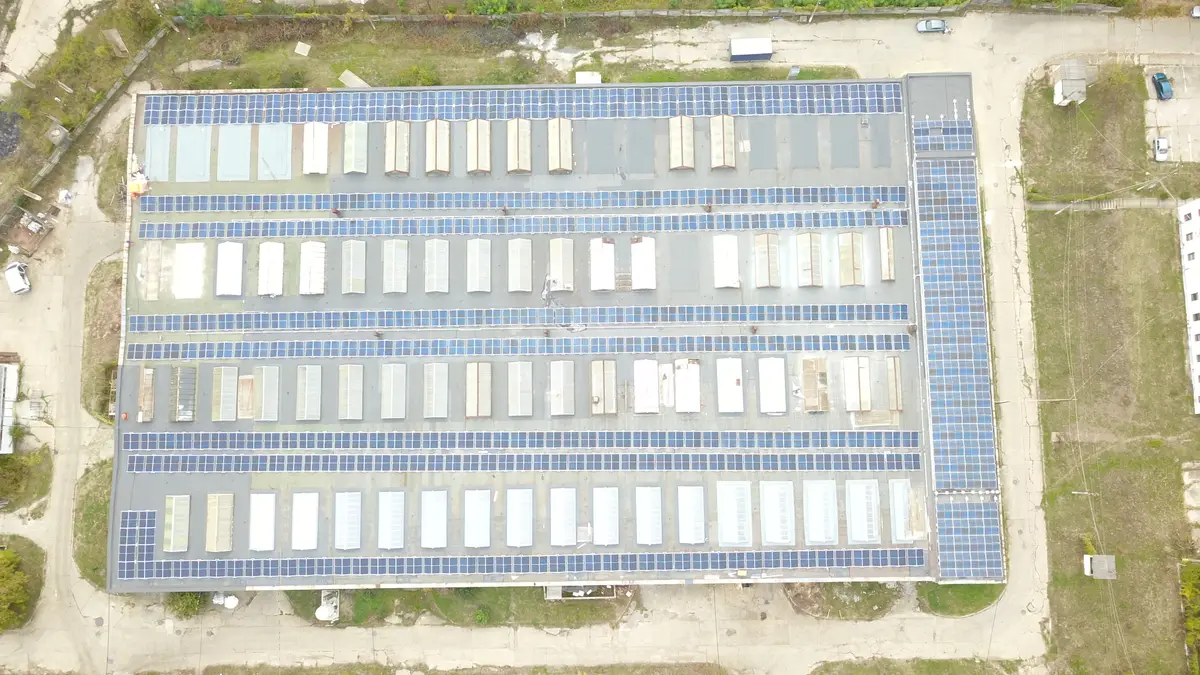

In some industrial projects the goal is simple: solar energy should reduce imports from the grid, and the surplus should be limited. That is the principle of a zero export solution.
What the control actually does
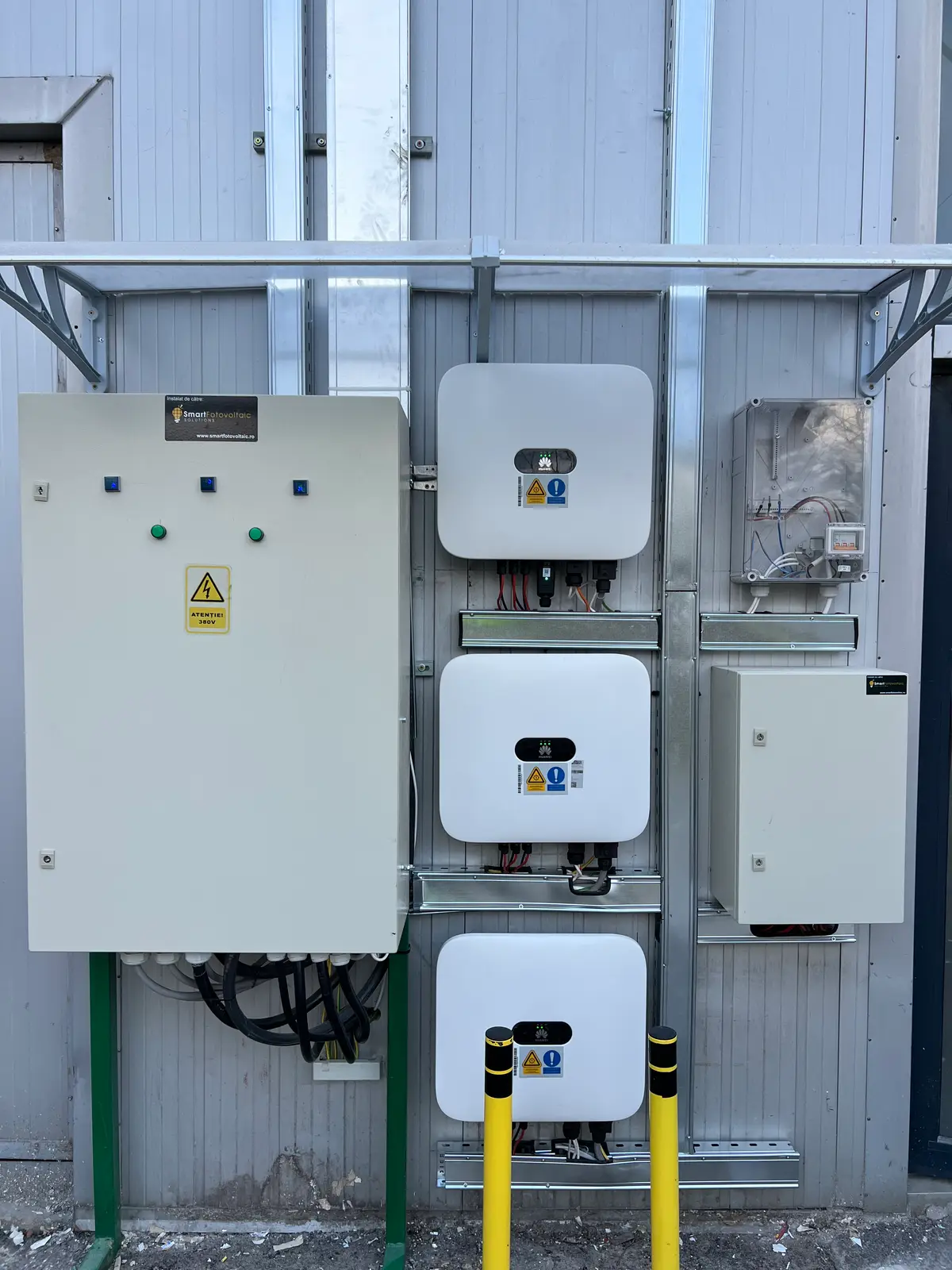
A meter or measurement system installed at the relevant point monitors the energy exchanged with the grid. A controller sends commands to the inverters so that the power produced matches the available consumption. Performance depends on equipment compatibility, the position of the measurement, response times and the electrical diagram.
Why a zero-export plant can produce below its potential
If the sun would allow 120 kW but instantaneous consumption is 45 kW and there is no other use for the surplus, the control has to limit production. That is not necessarily a fault: it can be a consequence of the operating rule. That is why the sizing has to anticipate periods of low consumption.
What changes when you add batteries
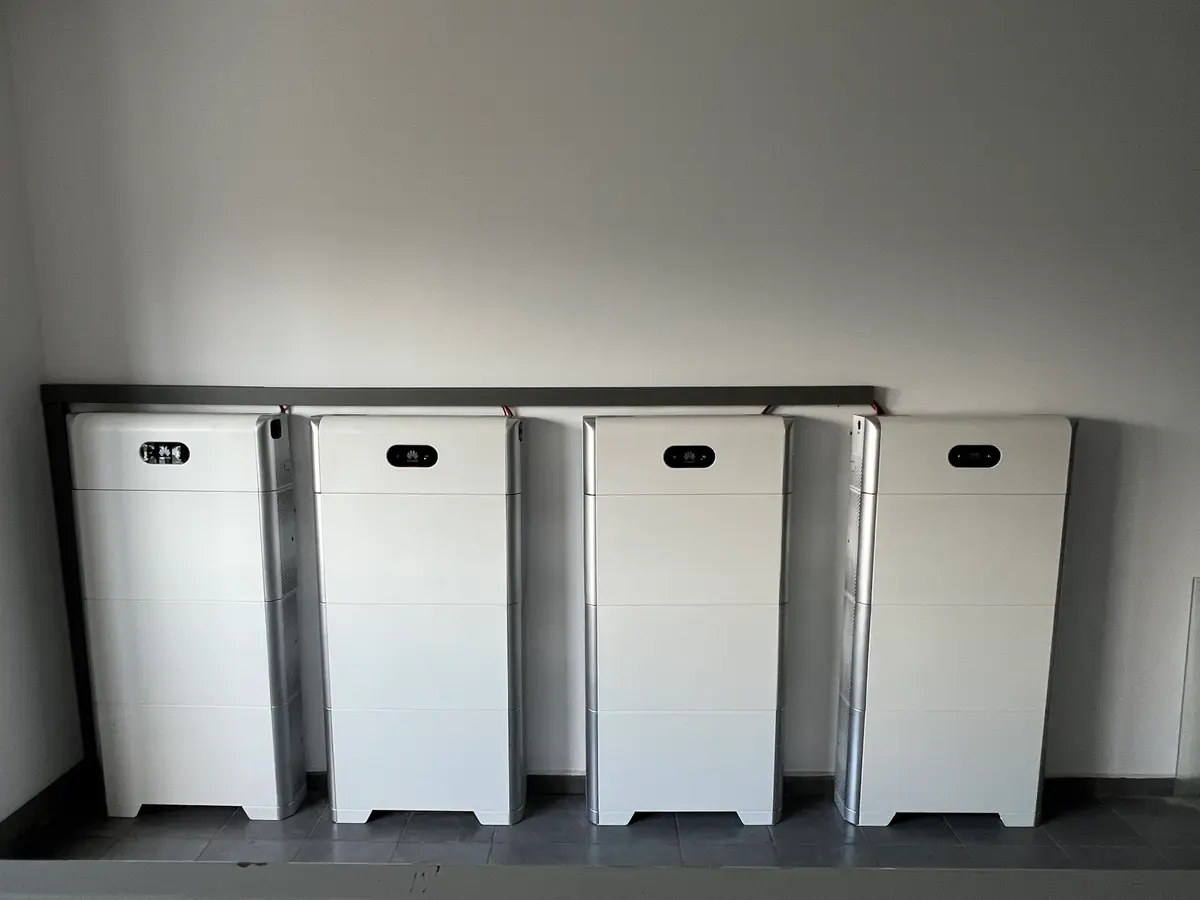
A BESS can absorb part of the energy that would otherwise be curtailed and supply it later. But the battery has limits of capacity, power, state of charge and efficiency. If it is full before midday, the system may continue to reduce production.
Sensitive design points
- The position and direction of the current transformers.
- Several transformers, metering points or feeders.
- Response to sudden changes in consumption.
- Behaviour when communication is lost.
- The distribution operator's requirements and the grid connection documentation.
Conclusion: zero export is not just a tick box in the inverter menu. It is a function of the whole system that must be designed, configured and verified.